Three Wisconsin high school teams named 2026 Aquaculture Challenge winners
Congratulations to Washburn and Wabeno high schools and the School of Options and Applied Research High School, whose teams won awards in the 2026 Aquaculture Challenge!
A collaboration between the Great Lakes Sea Grant Network and Lake Superior State University, the Aquaculture Challenge is an annual science competition that engages students in grades 6-12 from around the Midwest in a four-month venture to build and monitor aquaponics systems, which grow both plants and fish. The teams could also choose to create business plans and perform community outreach about aquaculture and seafood. Reviewers from around the region then scored the teams and gave out awards for best design, monitoring and recordkeeping, outreach activities, and business plan.
Wisconsin Sea Grant’s Emma Hauser, who is also an aquaculture outreach and education specialist at the University of Wisconsin–Stevens Point Northern Aquaculture Demonstration Facility (UWSP NADF), mentored 10 Wisconsin teams in 2026.
“The challenge is such a great opportunity to get students engaged in aquaculture while supporting creativity, responsibility, and ownership. It’s also flexible enough that schools that are new to aquaculture as well as schools with existing programs can benefit,” said Hauser. “Watching the students become fully engaged in this activity was so rewarding.”
Washburn High School won best outreach award
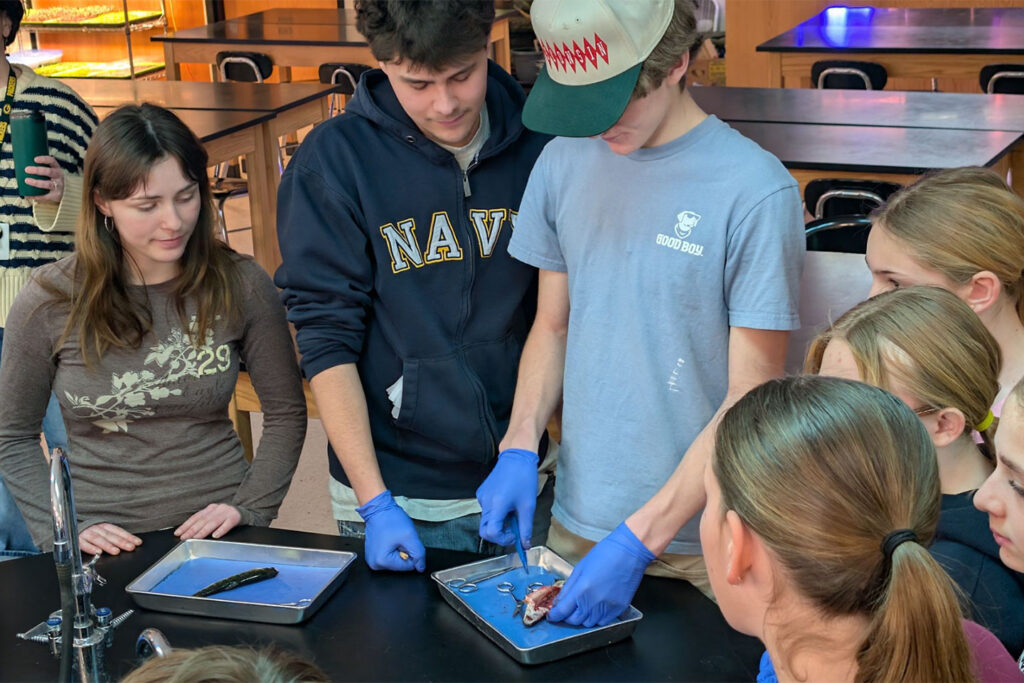
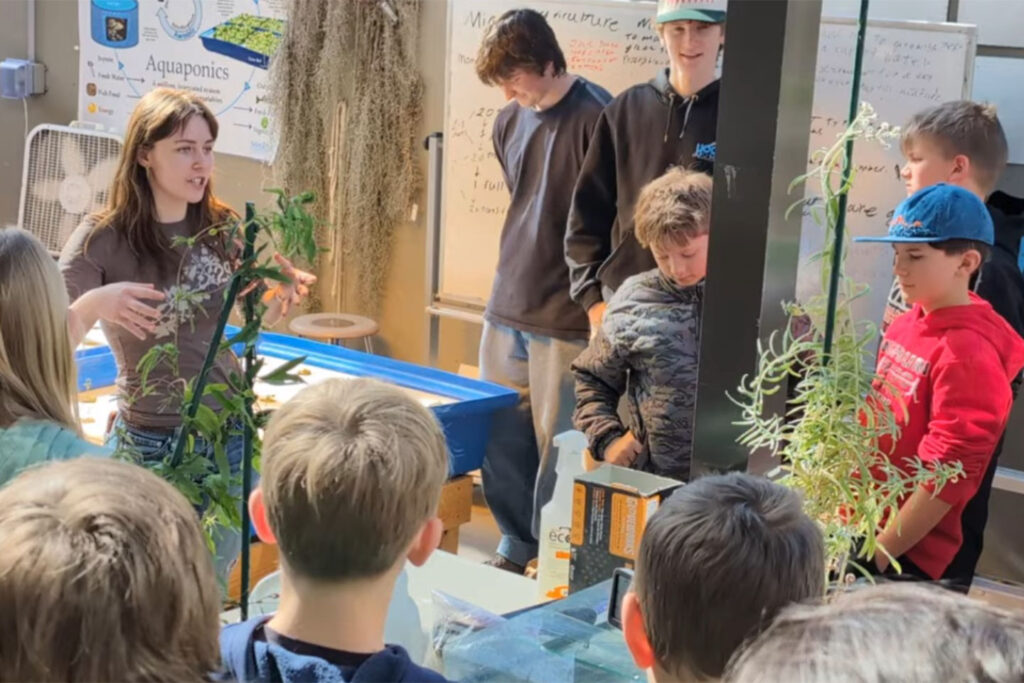
Team Flow with the Grow from Washburn High School won an award for best outreach initiative. Using Arctic char donated from UWSP NADF, the team led fish dissections and taught six graders about fish health and anatomy as well as aquaculture and food security. The high schoolers also took the sixth graders on a tour of their aquaponics systems, which featured an innovative material: paper composite cutting boards.
Instead of floating the plants on traditional Styrofoam rafts, which were old, flaking, and difficult to clean, the team opted for a food-grade, water-resistant material from epicurean, a company based in Superior, Wisconsin, that makes cutting boards from paper and resin.
Wabeno High School won the judges’ choice award
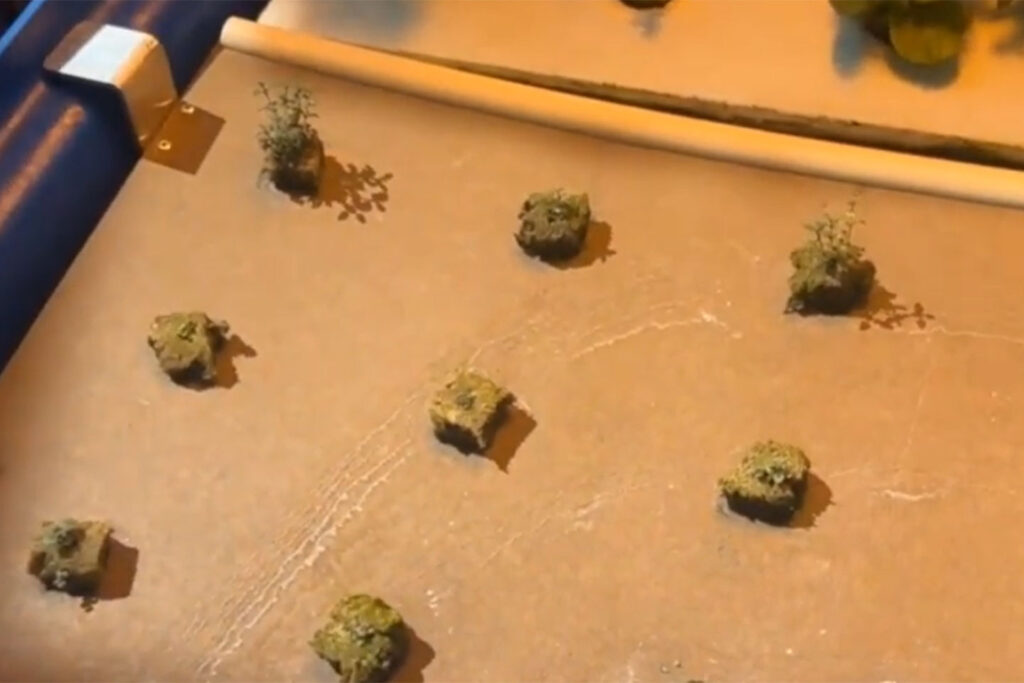
Team J&R Tobacco Company from Wabeno High School won the judges’ choice award for developing an aquaponics system to grow tobacco for cultural and ceremonial use in the local tribal community.
In addition to three varieties of tobacco, the students grew carrots, lettuce, tomatoes, basil, and cilantro and raised koi and goldfish. The team used three different systems to grow the plants and experimented with adding a heater to the aquarium, adding micronutrients such as iron, and using mopani wood to help soften their water.
Elizabeth Watson teaches environmental science classes at Wabeno High School and said the competition was a great motivator for her students.
“The ability to make choices — like which plants they’re growing or systems they use — helps build personal connections to the project and encourages ownership of the learning. It creates an environment where students take responsibility, try new things, and problem solve,” she said.
School of Options and Applied Research High School won the tech savvy award
Team Gill-ty as Charged (with Sell-fish Intentions) from the School of Options and Applied Research Charter High School in Eagle River, Wisconsin, won the tech savvy award for how they designed and monitored their aquaponic system.
The team grew both plants and tilapia, a warm-water fish, and investigated how temperature affected growth. One tank was insulated and heated to 80 degrees Fahrenheit while the other was uninsulated and at room temperature. They also collected daily measurements of temperature, pH levels, and conductivity as well as chlorine, nitrate, nitrite, alkalinity, and ammonia nitrogen.
Through their experiment, the students discovered that the heated tanks made the tilapia grow faster and that they could be harvested 51 days earlier than those in the unheated tank.
Join the Aquaculture Challenge
Since the Aquaculture Challenge began in 2016, thousands of students from around the Great Lakes region have engaged in STEM learning, built project management and leadership skills, learned the health benefits of seafood, and explored potential career paths in aquaculture and aquaponics. It’s an excellent way for educators and parents to engage youth in a fresh way.
Teams come from rural, urban, and suburban schools or homeschool groups and work from January through April to design and engineer a variety of aquaponics systems, from table-top tanks to systems of several hundred gallons. Competition organizers provide stipends, mentoring, and plenty of resources to help teams get started.
Learn more about the Aquaculture Challenge and watch for registration to open in late 2026 for the 2027 competition.
The Aquaculture Challenge is also supported by the Great Lakes Aquaculture Collaborative and the Center for Great Lakes Literacy.
The UW–Madison Aquatic Sciences Center administers Wisconsin Sea Grant, the Wisconsin Water Resources Institute, and Water@UW–Madison. The center supports multidisciplinary research, education, and outreach for the protection and sustainable use of Wisconsin’s water resources. Wisconsin Sea Grant is one of 34 Sea Grant programs supported by the National Oceanic and Atmospheric Administration in coastal and Great Lakes states that encourage the wise stewardship of marine resources through research, education, outreach, and technology transfer.